

Trailer Driving Tips and Pre-Trip Checklist
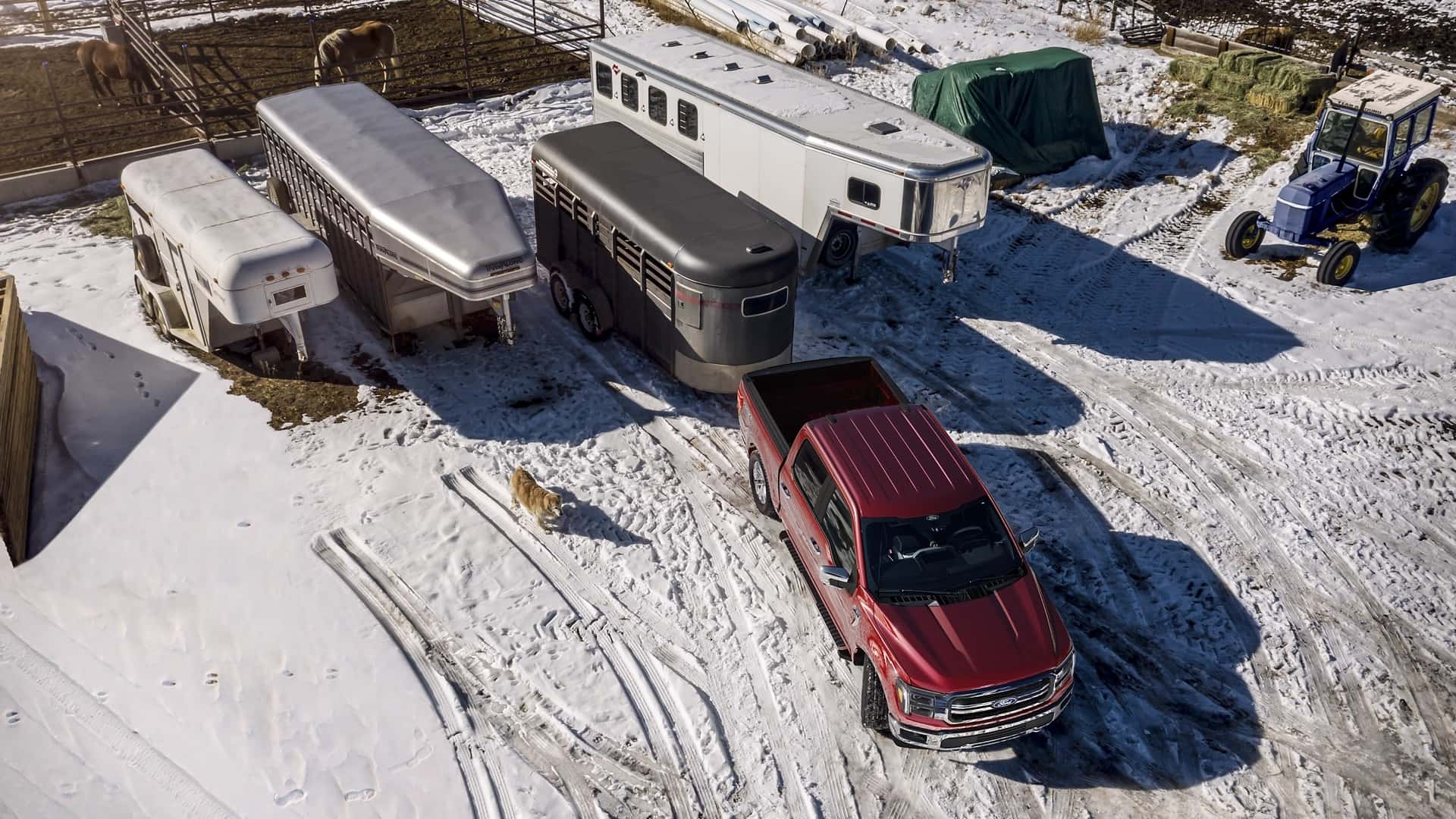
Towing preparation • Weber Ford near St. Louis
Prepare your Ford and trailer before the trip
A loaded trailer changes the space, equipment and attention a trip requires. Start with the actual vehicle, the loaded trailer and the instructions for both. Use this guide to organize your questions before towing, shopping for a different Ford or arranging a service visit.
Start with the combination you will actually drive
Write down the truck’s VIN, model year, engine and installed towing equipment, plus the trailer type and the load you plan to carry. Include people, cargo, tools, hitch equipment and trailer fluids in the preparation conversation. An empty-trailer figure or a model’s advertised maximum is not enough to establish that a loaded combination fits.
Use the correct model-year towing information and vehicle labels to review the applicable vehicle, axle, hitch and trailer limits. Ask for help identifying the controlling limit when the information is unclear. Ford’s towing-guide index provides a starting point; our F-250 capacity guide explains how to organize a configuration-specific inquiry.
Build a checklist for the equipment in front of you
Use the vehicle, hitch and trailer manufacturers’ instructions to build the checklist. The EPA’s trailer inspection checklist illustrates the separate vehicle, connection and trailer checks. Resolve damage or uncertain compatibility before departure; use the actual equipment instructions for the procedure.
Vehicle and trailer condition
Check the required tire condition and inflation information, lights, mirrors and braking equipment for both units. Include overdue maintenance and anything unusual noticed on a previous trip.
The complete connection
Confirm the correct receiver or hitch, coupler, attachment hardware, electrical connections and applicable safety equipment. Similar-looking components can have different ratings or requirements.
Cargo and clearance
Secure the load according to the trailer’s instructions. Know the combination’s dimensions and required clearance. Account for items added after the trailer’s original measurements.
Allow more room to stop and maneuver
A trailer requires more stopping room. Ford’s towing guide also explains that the added load can reduce acceleration. Plan extra space for stopping, merging and passing instead of expecting the same response as an unloaded vehicle.
Before a trip, become familiar with turning and backing in an appropriate area away from heavy traffic. Consider overhead clearance and the space the trailer needs around corners. Use the exact vehicle manual for Tow/Haul, braking and driver-assistance instructions; a feature name alone does not tell you how it should be used while towing.
Plan the destination as carefully as the route
Ask about the arrival area, parking space and unloading arrangement before bringing a trailer to a campsite, job site or service department. Include the full combination length and height in the conversation. A place that accommodates the truck alone may require a different plan when the trailer is attached.
For a first trip with unfamiliar equipment, leave time to settle the remaining questions before departure. If the planned route or parking arrangement exceeds your experience, seek appropriate instruction or an alternative arrangement. Do not use a scheduled arrival time as a reason to continue with an unresolved equipment concern.
Check towing technology against your actual trailer
If backup assistance, camera views or a trailer brake controller matters to the purchase, ask which equipment the specific truck has and what setup the trailer requires. Review the trailer-technology guide and the separate Pro Trailer Backup Assist guide for those questions.
Arrange an equipment explanation before relying on a feature during a difficult maneuver. An assistance feature does not establish the truck’s load rating or the condition of the trailer connection.
Prepare a service request before a towing season
Ford’s 2026 F-150 owner manual explains that towing adds demands to systems including the engine, transmission, axles, brakes, tires and suspension. Use the maintenance information for your own model year, engine and operating conditions.
When contacting Weber Ford, describe the planned towing use, mileage, recent service and any warning, vibration or braking concern. Ask what the initial inspection includes and which work needs authorization. Confirm whether the department needs the trailer present and can accommodate the combination before bringing it. The service contact page is the place to prepare that request.
Questions before you tow
Does a familiar trailer always create the same load?
No. Water, cargo, equipment and passengers can change between trips. Review the combination as loaded for the current journey.
Does this checklist confirm my truck can tow a particular trailer?
No. That decision requires the actual vehicle and trailer information, applicable limits and equipment condition. Send the details when requesting a review.
Can I bring a trailer to a dealership visit?
Confirm the purpose, vehicle and trailer dimensions, arrival point and appointment arrangements first. A general inquiry does not reserve space or establish a service booking.
Bring the truck and trailer details to Weber Ford
For a vehicle comparison, send the stock number, trailer type and loaded-use requirements. For an existing Ford, describe the service question and relevant equipment. Weber Ford is at 3465 Progress Parkway in Granite City, Illinois, serving St. Louis and Metro East drivers.
0 comment(s) so far on Trailer Driving Tips and Pre-Trip Checklist